
In the bakery industry, packaging is more than just wrapping a product—it’s about preserving freshness, ensuring hygiene, and enhancing shelf appeal. From biscuits and cookies to breadsticks and cakes, the right packaging solution can make or break customer satisfaction. One technology that has become indispensable is the flow wrap machine (HFFS).
This blog explores how flow wrap machine for bakery products works, they are preferred over traditional methods, and what features to look for when investing in one.
What is a Flow Wrap Machine?
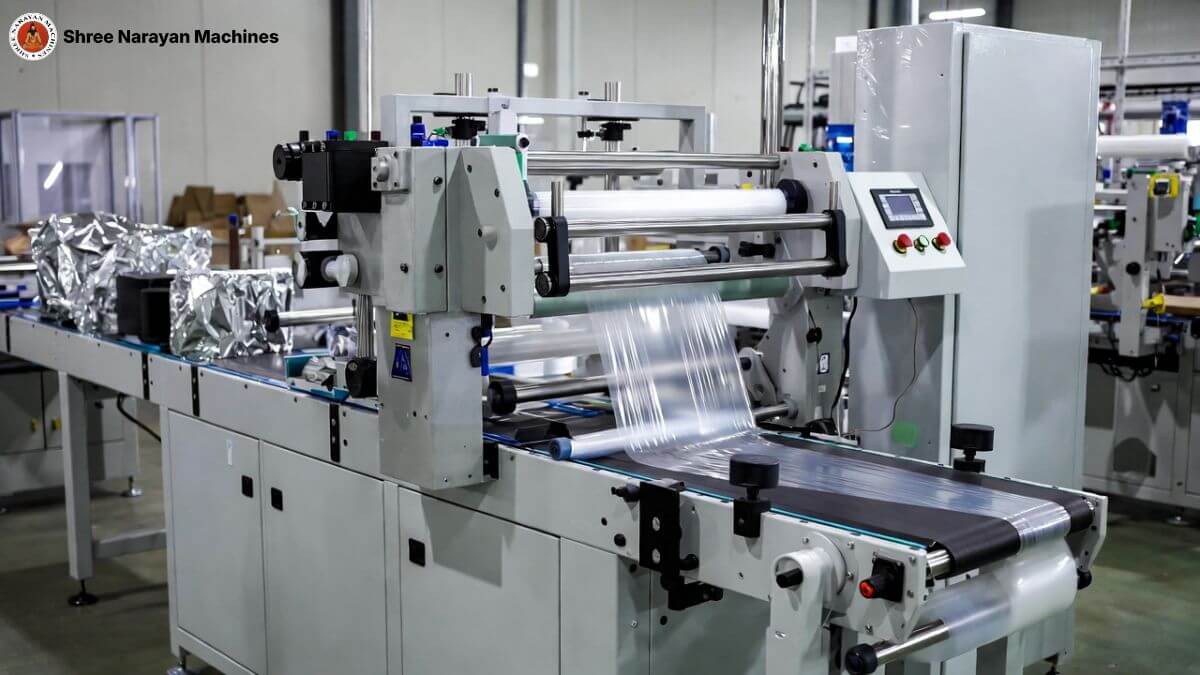
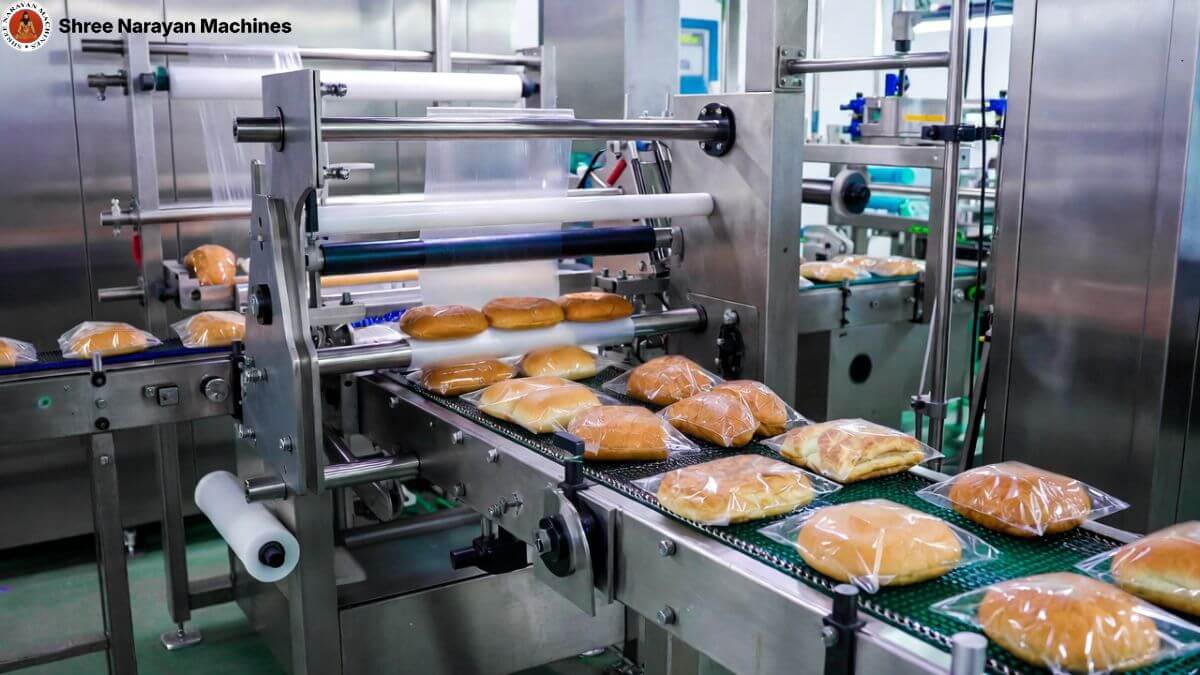
A flow wrap machine, also known as a horizontal form‑fill‑seal (HFFS) machine, wraps bakery products in a continuous film tube, sealing them longitudinally and at both ends. The result is a pillow pack or fin‑seal pack—compact, hygienic, and visually appealing.
Why Bakery Products Need Flow Wrapping
1. Preservation of Freshness
Bakery items are highly perishable. Flow wrap machines use barrier films that protect against moisture, oxygen, and contamination, extending shelf life.
2. Hygiene and Safety
Flow wrapping ensures minimal human contact during packaging, meeting food safety standards like GMP and ISO certifications.
3. Retail Presentation
Neat pillow packs with transparent windows allow customers to see the product, boosting trust and purchase intent.
4. Speed and Efficiency
Rotary flow wrappers can achieve hundreds of packs per minute, making them ideal for high‑volume bakery lines.
Features to Look for in a Bakery Flow Wrap Machine
- Servo‑driven technology for precise film control and reduced waste.
- Cold‑seal or heat‑seal jaws depending on film type.
- Easy changeover for different bakery SKUs (cookies, breadsticks, muffins).
- HMI touch screen for operator‑friendly controls.
- Compact footprint to fit into bakery production lines.
ROI Checklist for Bakeries
Before investing, calculate ROI based on:
- Film cost per 1,000 packs.
- Changeover time between SKUs.
- Scrap rate reduction with servo drives.
- Labor savings from automation.
- Local service and spare‑parts availability.
My Experience with Bakery Packaging
When I first visited a mid‑sized bakery in Faridabad, I noticed workers manually wrapping cookies in plastic sheets. The process was slow, inconsistent, and prone to contamination. After adopting a flow wrap machine, the bakery not only doubled its output but also saw a 40% reduction in film waste. Customers appreciated the neat pillow packs, and the bakery’s brand image improved significantly.
This real‑world example highlights how technology directly impacts customer trust and business growth.
Frequently Asked Questions (FAQs)
Que 1: Can flow wrap machines handle irregular bakery shapes?
Ans: Yes, intermittent flow wrappers or custom feeders can manage irregular items like muffins or layered cakes.
Que 2: Are biodegradable films compatible?
Ans: Modern flow wrap machines can run biodegradable or recyclable films if sealing parameters are adjusted.
Que 3: What certifications should I check?
Ans: Look for CE, ISO, and GMP compliance to ensure food safety standards.
Conclusion
For bakeries aiming to scale production, improve hygiene, and enhance retail appeal, flow wrap machines are the gold standard. They combine speed, precision, and presentation—critical factors in today’s competitive food industry.
If you’re a bakery owner, investing in a flow wrap machine is not just about packaging—it’s about building trust, reducing waste, and elevating your brand.