
Packaging has evolved from being a functional necessity to becoming a strategic business advantage. In India, the packaging industry is projected to reach USD 130–140 billion by 2030, with machinery playing a pivotal role. By 2026, packaging machines in India will not only focus on speed and efficiency but also on sustainability, compliance, and digital transformation.
Market Outlook for 2026
- Rapid Growth: India’s packaging machinery sector is expanding due to rising demand in food & beverage, pharmaceuticals, FMCG, and e‑commerce.
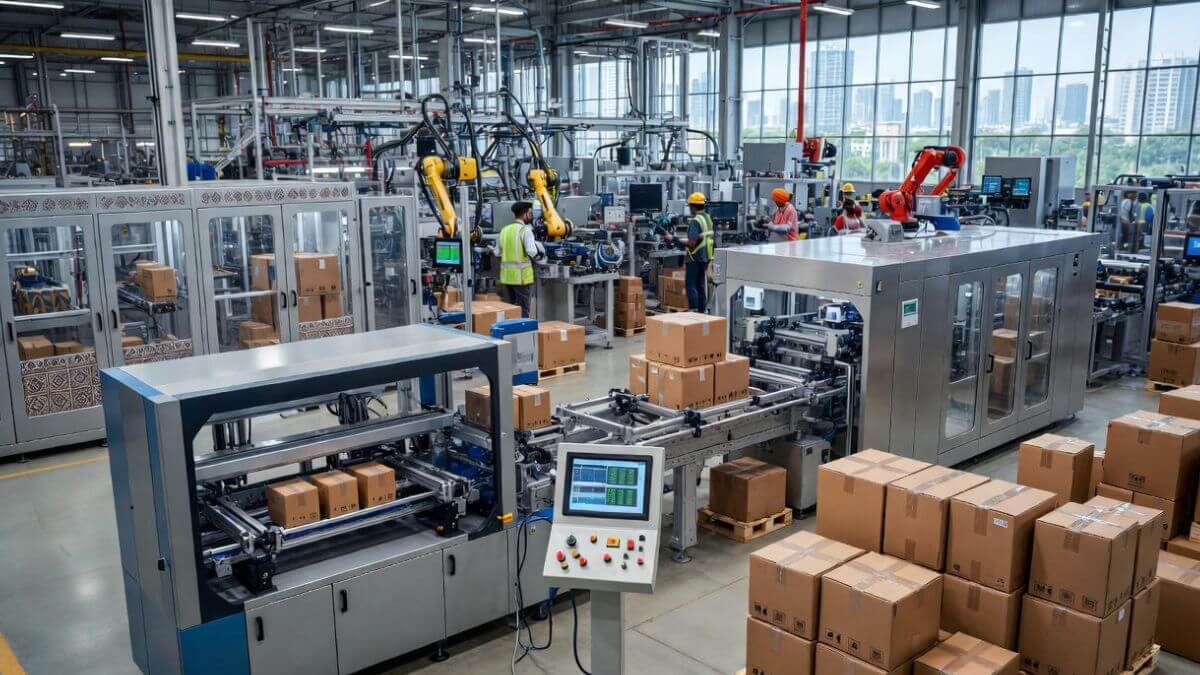
- Automation Boom: Smart packaging machines with servo-driven systems, IoT sensors, and AI integration will dominate.
- Sustainability Push: Eco-friendly packaging films and recyclable materials will become standard.
- Global Competitiveness: Indian manufacturers will increasingly export packaging machines, competing with European and Japanese brands.
Key Trends Defining the Future
1. Automation & Smart Technology
By 2026, automated bakery packaging solutions will be widely adopted. Machines will feature:
- Touchscreen HMIs for easy operation.
- IoT-enabled monitoring for predictive maintenance.
- AI-driven adjustments for film alignment and sealing.
This will reduce downtime and improve efficiency across industries.
2. Sustainability & Eco-Friendly Packaging
Global regulations are pushing brands toward biodegradable films and recyclable materials. Packaging machines in India will adapt by:
- Supporting eco-friendly films.
- Reducing material wastage with precision cutting.
- Offering energy-efficient designs to lower carbon footprints.
3. Industry-Specific Customization
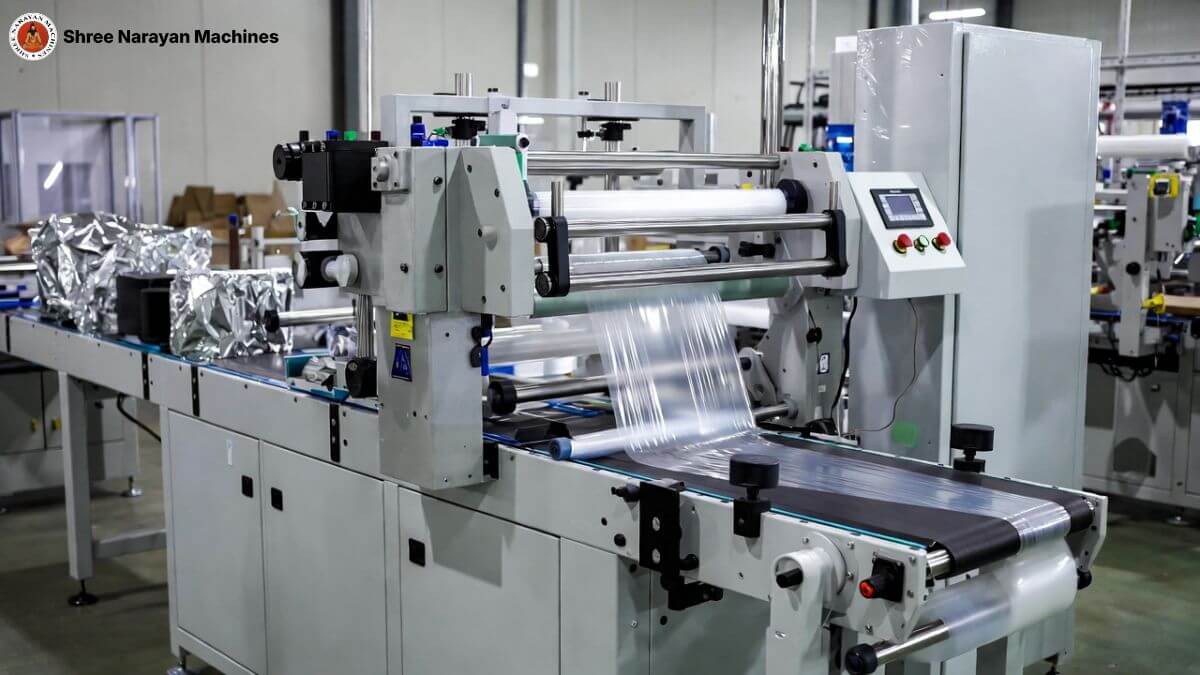
- Bakery Sector: Machines like the flow wrap machine for bakery products and horizontal bakery packing machine will ensure hygienic, uniform packaging.
- Pharmaceuticals: Compliance with GMP standards will drive demand for precision pouch packaging.
- FMCG: Pouch packaging machine for biscuits will dominate snack and confectionery packaging
4. Compliance & Safety Standards
By 2026, Indian packaging machines will align with ISO, CE, and GMP certifications, ensuring trustworthiness and global acceptance. This compliance will be critical for exports and multinational collaborations.
5. Digital Integration & Data Analytics
Smart packaging machines will generate real-time data on production speed, wastage, and efficiency. Businesses can use analytics to:
- Optimize production lines.
- Predict maintenance needs.
- Improve ROI through data-driven decisions
Comparison: Current vs Future Packaging Machines
| Aspect | Current Machines (2023) | Future Machines (2026) |
| Technology | Basic automation | AI + IoT integration |
| Sustainability | Limited eco options | Biodegradable & recyclable films |
| Speed | Moderate | High-speed, precision |
| Compliance | Partial ISO/GMP | Full ISO, CE, GMP |
| Data Use | Minimal | Real-time analytics |
Industry Applications in 2026
- Food & Bakery: Automated flow wrap machines for bread, biscuits, and cakes.
- Pharma: High-precision pouch packaging for tablets and syringes.
- FMCG: Horizontal bakery packing machines for snacks and confectionery.
- E-commerce: Smart packaging for logistics and delivery optimization.
Conclusion
By 2026, packaging machines in India will transform into smart, sustainable, and globally competitive solutions. From flow wrap machines for bakery products to pouch packaging machines for biscuits, automation will empower small and large businesses alike.
The future of packaging machines in India 2026 is not just about speed—it’s about sustainability, compliance, and digital intelligence. Businesses that invest early in automated bakery packaging solutions will gain a competitive edge in both domestic and international markets.