

Menstrual hygiene is a critical public health issue, especially in countries like India where millions of women still lack access to safe sanitary products. According to surveys, only about 64% of adolescent girls in India use sanitary napkins, leaving many dependent on cloth or unsafe alternatives. This gap not only affects health but also contributes to absenteeism from schools and workplaces.
Sanitary pad making machines are revolutionizing this landscape. By automating production, ensuring sterile environments, and standardizing quality, these machines are raising hygiene standards across communities.
What Is a Sanitary Pad Making Machine?
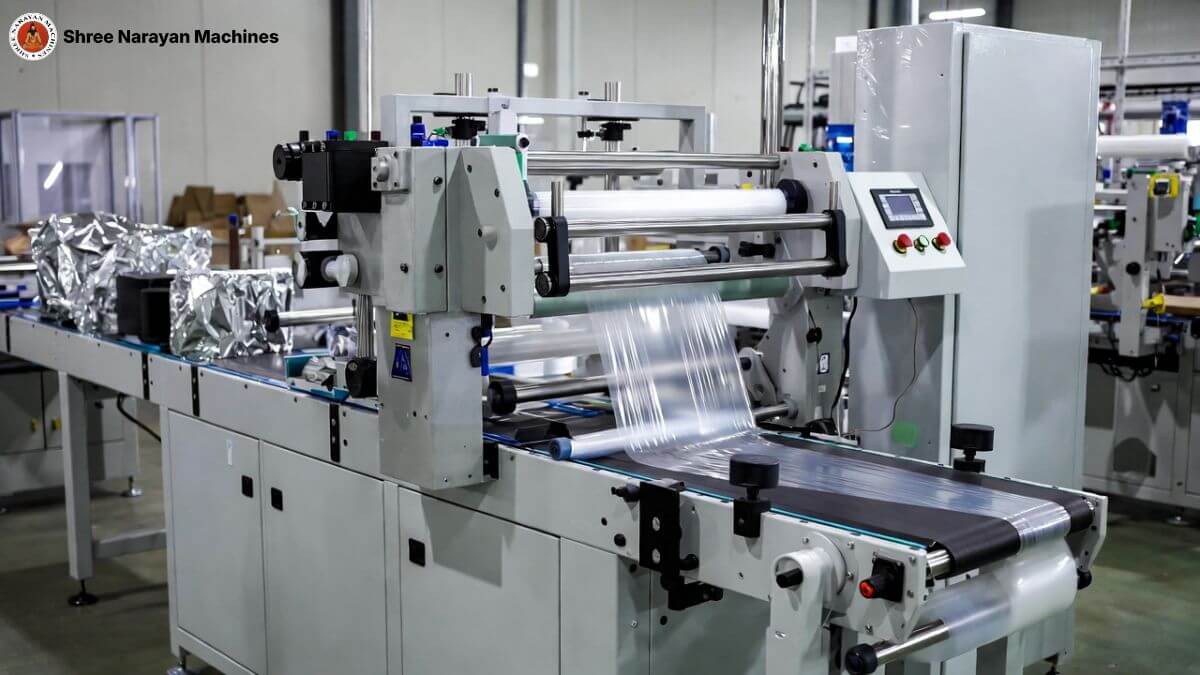
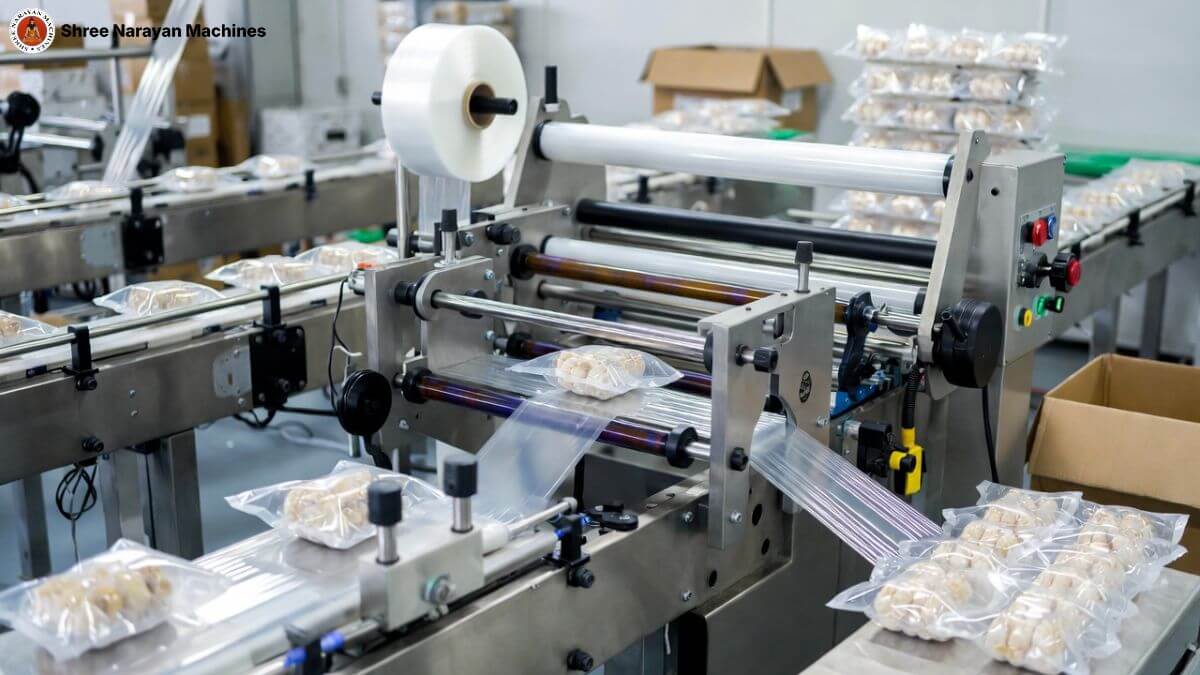
A sanitary pad making machine is specialized equipment that automates the production of menstrual pads. It handles processes such as:
- Raw material preparation (cotton, absorbent core, non‑woven fabric).
- Layering and absorption core formation.
- Sterile sealing and cutting.
- Packaging in hygienic conditions.
Modern machines are designed to minimize human contact, ensuring that every pad is produced under controlled, sterile conditions.
Key Hygiene Benefits of Sanitary Pad Making Machines
- Reduced Human Contact: Automated systems limit manual handling, lowering contamination risks.
- Sterile Production Environment: Machines operate in controlled conditions, ensuring pads are free from dust and bacteria.
- Consistent Quality: Every pad meets the same hygiene and absorbency standards.
- Safe Packaging: Pads are sealed in protective wrappers, preventing exposure during storage and transport.
- Eco‑Friendly Options: Machines can process biodegradable materials, supporting sustainable menstrual hygiene.
Comparison: Traditional vs Machine‑Made Pads
| Aspect | Traditional Cloth Pads | Machine‑Made Sanitary Pads |
|---|---|---|
| Hygiene | Risk of infection | Sterile, contamination‑free |
| Absorbency | Low, inconsistent | High, standardized |
| Comfort | Often uncomfortable | Ergonomic, skin‑friendly |
| Shelf Life | Short | Long, due to sealed packaging |
| Safety Standards | None | ISO/GMP compliant |
Industry Impact
1. Public Health Improvement
Sanitary pad making machines directly improve menstrual hygiene by providing safe alternatives to cloth or unsafe materials. This reduces risks of urinary tract infections, reproductive health issues, and absenteeism among women.
2. Accessibility in Rural Areas
Low‑cost, semi‑automatic machines allow local entrepreneurs to produce pads in rural communities. This decentralization ensures affordable access to menstrual hygiene solutions.
3. Women Empowerment
By creating jobs in pad production and distribution, these machines empower women economically while addressing their health needs.
4. Sustainability
Eco‑friendly sanitary pad making machines can process biodegradable films and natural fibers, reducing plastic waste and supporting environmental goals.
Real‑World Applications
- Factories: Large‑scale automated production for national brands.
- Local Entrepreneurs: Semi‑automatic machines for rural distribution.
- NGOs & Government Programs: Community‑based pad production to improve menstrual hygiene access.
- Schools & Public Institutions: Integration with sanitary napkin vending machines for inclusive restrooms.
Future Outlook (2026 and Beyond)
By 2026, sanitary pad making machines will integrate:
- AI & IoT sensors for real‑time quality monitoring.
- Eco‑friendly material processing for biodegradable pads.
- Smart packaging systems with QR codes for hygiene certification.
- Global compliance standards to support exports.
This evolution will make automated sanitary pad production central to India’s menstrual hygiene revolution.
Frequently Asked Questions (FAQs)
Que 1. What is a sanitary pad making machine?
Ans: It’s specialized equipment that automates the production of menstrual pads, ensuring sterile, hygienic, and consistent quality.
Que 2. How do sanitary pad making machines improve hygiene?
Ans: They reduce human contact, operate in sterile environments, and deliver contamination‑free menstrual hygiene solutions.
Que 3. What are the benefits of sanitary pad making machines?
Ans: They ensure consistent absorbency, safe packaging, eco‑friendly options, and compliance with ISO/GMP standards.
Que 4. Can automated sanitary pad production help rural areas?
Ans: Yes, semi‑automatic machines enable local entrepreneurs to produce affordable pads, improving access to menstrual hygiene.
Que 5. Are eco‑friendly sanitary pad manufacturing machines available?
Ans: Yes, modern machines can process biodegradable materials, supporting sustainable menstrual hygiene solutions.
Que 6. How do sanitary pad making machines empower women?
Ans: They create jobs, improve access to safe products, and reduce health risks associated with unsafe alternatives.
Conclusion
Sanitary pad making machines are more than industrial equipment—they are public health enablers. By ensuring sterile production, reducing contamination, and supporting eco‑friendly materials, they raise hygiene standards and empower women across India.
👉 Investing in sanitary pad making machines today means building a healthier, more sustainable, and inclusive tomorrow.