
Packaging is the silent hero of modern manufacturing. It not only protects products but also enhances branding, hygiene, and consumer trust. Among the many packaging technologies available today, flow wrapping has emerged as one of the most efficient and versatile solutions. From biscuits and chocolates to medical devices and hygiene products, flow wrapping ensures products are sealed securely, attractively, and hygienically.
In this blog, we’ll explore what flow wrapping is, how it works, its applications, and why it has become a cornerstone of the packaging industry. We’ll also highlight the role of horizontal flow wrap machines and their impact on industries like food, FMCG, and pharmaceuticals.
What is Flow Wrapping?
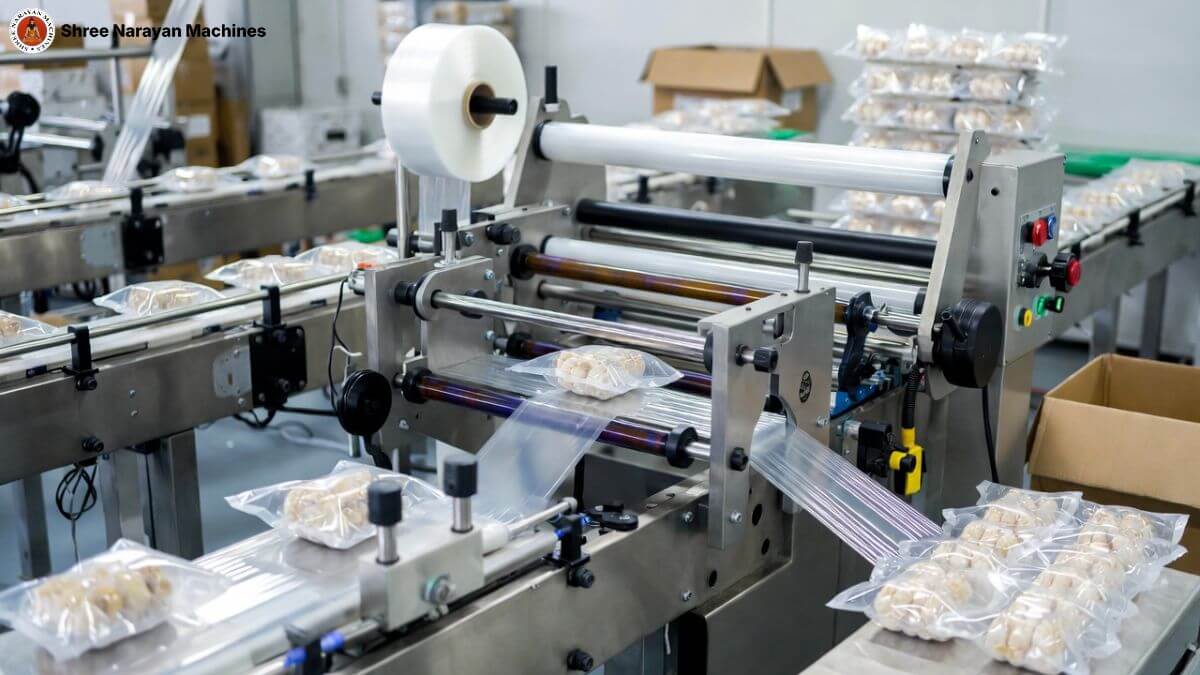
Flow wrapping is a packaging process where products are wrapped in a continuous roll of film, sealed on all sides, and cut into individual packs. It is commonly used for solid products such as bakery items, confectionery, medical supplies, and consumer goods.
Key Characteristics of Flow Wrapping:
- Uses a single roll of flexible film (plastic, foil, or biodegradable material).
- Creates a hermetic seal to protect products from contamination.
- Produces uniform, attractive packaging with branding opportunities.
- Operates at high speed, making it ideal for mass production.
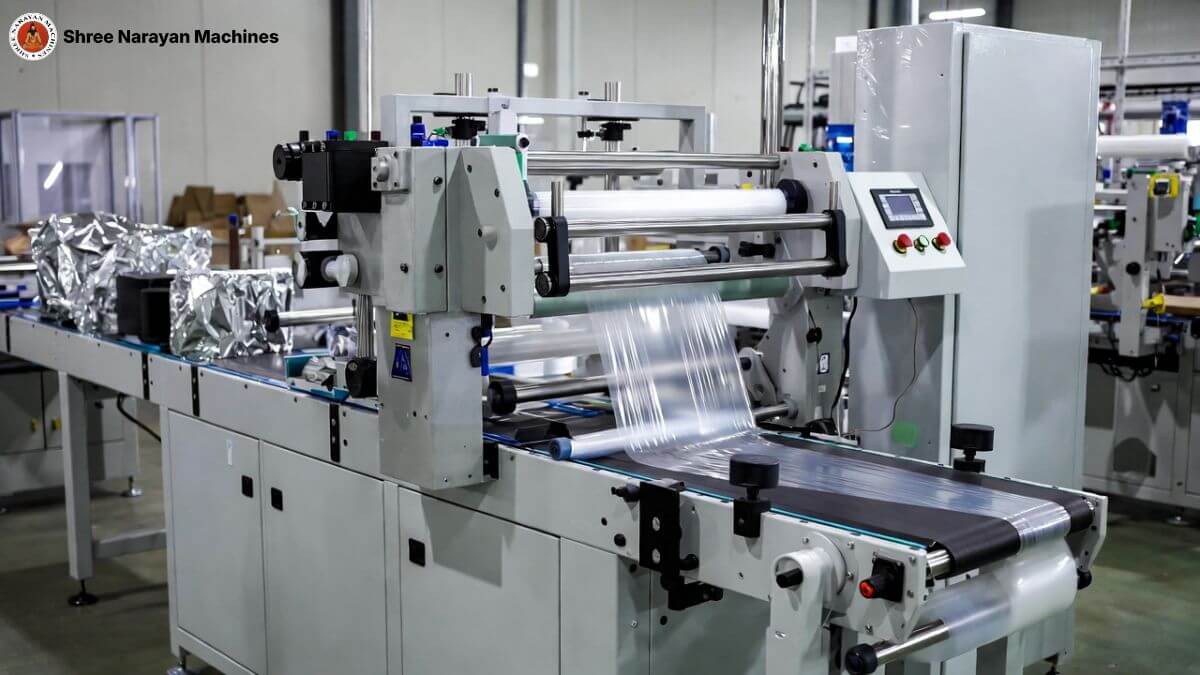
Flow wrapping is often performed using horizontal flow wrap machines, which feed products horizontally into the film before sealing and cutting.
How Does Flow Wrapping Work?
The process of flow wrapping involves several stages:
1. Product Feeding
Products are placed on a conveyor belt that moves them toward the wrapping section. In automated systems, feeding can be synchronized with upstream production lines.
2. Film Feeding
A continuous roll of packaging film is unwound and guided into the machine. The film is usually pre‑printed with branding, nutritional information, or compliance details.
3. Wrapping
The product is enveloped by the film as it moves forward. The film folds around the product, creating a tube‑like structure.
4. Sealing
- Longitudinal Seal: The film edges are sealed along the length of the product.
- End Seals: The ends of the package are sealed to enclose the product completely.
Sealing is typically done using heat sealing jaws or cold sealing adhesives, depending on the product type.
5. Cutting
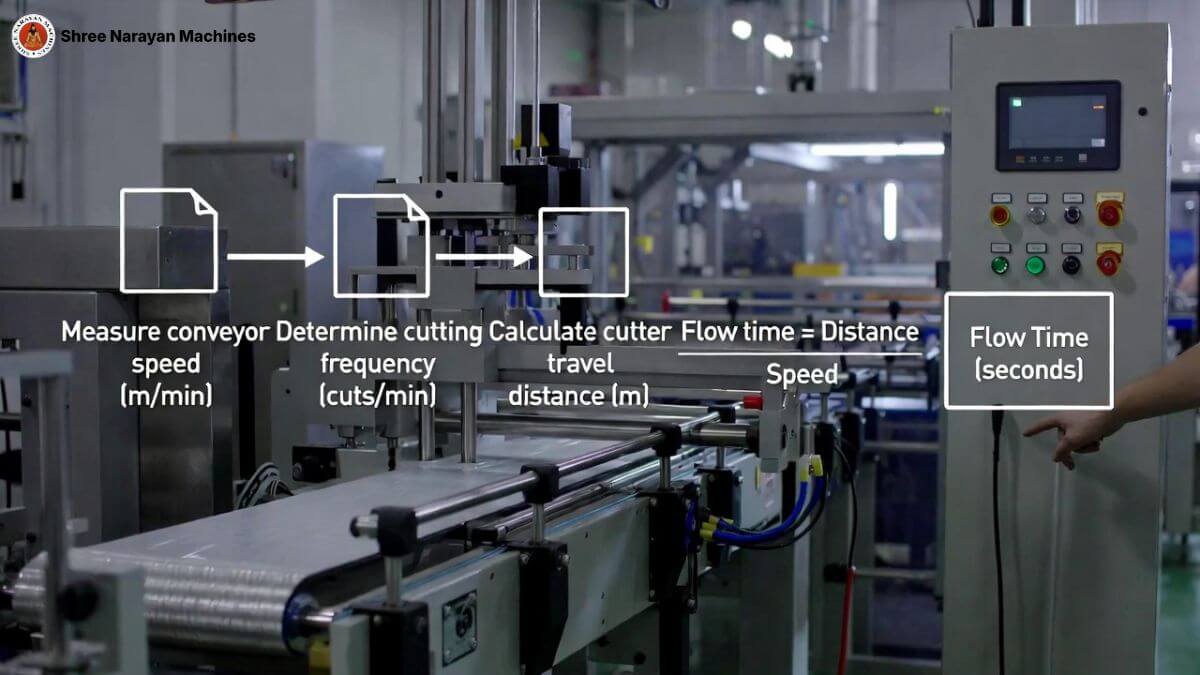
Once sealed, the package is cut into individual units. Cutting is synchronized with product length to ensure uniformity.
6. Discharge
Finished packs are discharged onto another conveyor for boxing, cartoning, or direct distribution.
Types of Flow Wrapping Machines
Horizontal Flow Wrap Machine
- Products are fed horizontally.
- Ideal for bakery items, chocolates, biscuits, and medical devices.
- Ensures hygienic, tamper‑proof packaging.
Vertical Flow Wrap Machine
- Products are fed vertically.
- Commonly used for granular or powdered items like snacks, pulses, or detergents.
Applications of Flow Wrapping
Flow wrapping is widely used across industries due to its versatility:
- Food & Bakery: Biscuits, bread, cakes, chocolates, and frozen foods.
- Pharmaceuticals: Tablets, syringes, medical devices.
- FMCG: Detergents, soaps, cosmetics, and personal care products.
- Hygiene Products: Sanitary pads, baby diapers, and wipes.
- Industrial Goods: Tools, hardware, and spare parts.
Benefits of Flow Wrapping
- Hygiene: Protects products from dust, moisture, and contamination.
- Efficiency: High‑speed packaging reduces labor costs.
- Branding: Printed films allow attractive designs and compliance labeling.
- Versatility: Suitable for a wide range of products.
- Sustainability: Machines can process biodegradable and recyclable films.
Comparison: Flow Wrapping vs Other Packaging Methods
| Aspect | Flow Wrapping | Pouch Packaging | Shrink Wrapping |
|---|---|---|---|
| Speed | High | Moderate | Moderate |
| Hygiene | Excellent | Good | Good |
| Film Usage | Continuous roll | Pre‑formed pouch | Shrink film |
| Applications | Bakery, pharma, FMCG | Snacks, powders | Bottles, cans |
| Branding | High | High | Limited |
Sustainability in Flow Wrapping
Modern flow wrap machines are designed to support eco‑friendly packaging films. Manufacturers are increasingly adopting:
- Biodegradable films.
- Recyclable plastics.
- Energy‑efficient sealing systems.
This aligns with global sustainability goals and consumer demand for green packaging.
Frequently Asked Questions (FAQs)
Que 1. What is flow wrapping?
Ans: Flow wrapping is a packaging process where products are wrapped in a continuous film, sealed, and cut into individual packs.
Que 2. How does a flow wrapping machine work?
Ans: It feeds products into film, seals them longitudinally and at the ends, then cuts them into uniform packs.
Que 3. What industries use flow wrapping?
Ans: Food, bakery, FMCG, pharmaceuticals, hygiene products, and industrial goods rely on flow wrapping machines.
Que 4. What is a horizontal flow wrap machine?
Ans: It’s a machine that feeds products horizontally into film, ideal for bakery items, chocolates, and medical devices.
Que 5. What are the benefits of flow wrapping?
Ans: High speed, hygiene, branding opportunities, versatility, and support for eco‑friendly packaging films.
Que 6. Is flow wrapping eco‑friendly?
Ans: Yes, modern machines support biodegradable and recyclable films, aligning with sustainability goals.
Conclusion
Flow wrapping is more than just a packaging technique—it is a strategic solution for hygiene, efficiency, and branding. By using horizontal flow wrap machines, industries can achieve high‑speed, contamination‑free packaging that meets global standards.
From bakery packing machines to pharmaceutical packaging solutions, flow wrapping has revolutionized the way products are delivered to consumers. With advancements in automation and sustainability, it continues to be the backbone of the packaging industry in India and worldwide.
👉 Businesses investing in flow wrapping machines today are not just improving efficiency—they are building trust, enhancing brand value, and preparing for a sustainable future.